Blog

  • 222 VS 226 filter connector comparison for pleated filter

    222 VS 226 filter connector comparison for pleated filter

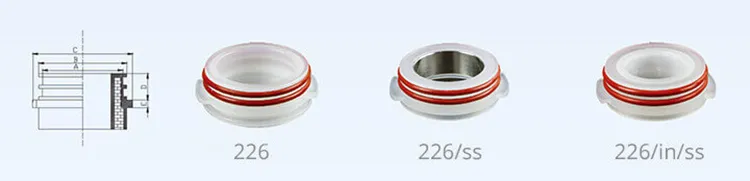
    ConnectionDASHABB1 W/RINGCDE
    222-1138.6044.0046.3059.0015.003.90
    222-2338.6044.0046.2014.2014.00
    222-3339.0044.0045.2013.0014.00
    222-4339.0044.0045.5013.3014.00
    222-5138.8044.0046.0013.3015.80
    222-6138.6044.0045.6014.5015.80
    222-7337.7043.0045.4013.90
    222-8337.4047.0048.5013.00
    222-9337.4043.2045.0016.50
    222-10138.3044.0045.4016.507.90
    222-11350.0055.0056.3012.0020.00
    226-1351.0056.0059.0067.0013.203.80
    226-2350.5056.0058.2068.2013.203.80
    226-3349.7055.4057.8065.7013.403.80
    226-4350.3056.3058.0066.6013.403.80
    226-5150.6056.0057.8068.0012.803.80
    226-6150.5056.0057.8066.4012.403.80
    226-7151.0056.0058.0067.0013.203.80

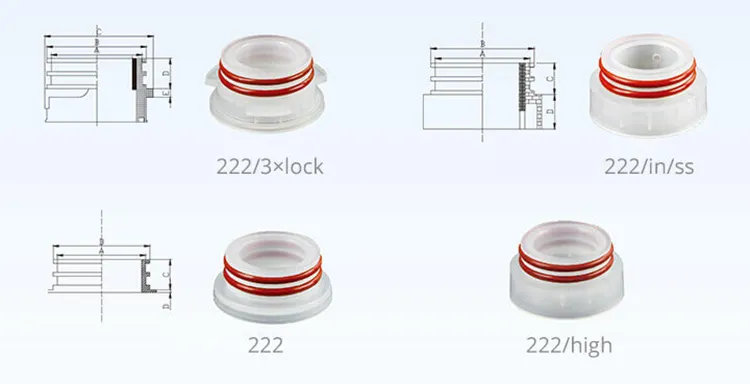
    222 & 226 filter connector details

  • Frequently-Used filter media chemical compatibility reference table

    Frequently-Used filter media chemical compatibility reference table

    Chemical TypeChemicalsPPPESPTFEPVDFNylonVMQVitonEPDM
    AlcoholAmyl AlcoholRRRRRNRRR
    Benzyl Alcohol 100%LRLRLRRRLRRR
    Butyl AlcoholRRRRRNRRNR
    Ethyl AlcoholRRRRRRLRR
    Isopropyl AlcoholRRRRRRRR
    Methyl AlcoholRRRRLRRNRR
    EtherDiethyl EtherLRLRLRLRNRLRNRNR
    Isopropyl EtherRRRNRNRNR
    DioxenRRRNRNRNR
    Butylene OxideLRNRRLRRNRNRR
    BenzeneBenzeneLRLRNRNRLRNRRNR
    MethylbenzeneLRNRLRLRNRNRRNR
    XyleneNRLRLRLRNRNRRNR
    GlycolEthylidene GlycolRLRRRRRRR
    GlycerinumRLRRRRRRR
    Propylene GlycolRLRRRRRRR
    HalocarbonCarbon TetrachlorideLRLRLRLRLRNRRNR
    TrichloromethaneLRNRLRLRLRNRRNR
    Ethylene DichlorideLRNRLRLRLRNRLRLR
    Freon TFLRRRLRNRRNR
    Freon TMCLRNRLRLRLRNRLRNR
    Methylene DichlorideLRNRLRLRLRNRLRNR
    Ethylene PerchlorideLRLRLRLRNRRNR
    Trichloro EthyleneLRLRNRNRLRNRRNR
    AcidGlacial Acetic AcidRRRRNRLRRLR
    Hydrochloric Acid – StrongRLRRRNRNRNRLR
    Hydrochloric Acid – 6NRRRNRLRRLR
    Nitric Acid – StrongRNRRRNRLRLRNR
    Nitric Acid – 6NRRRNRLRRNR
    Phosphoric Acid – StrongRLRRNRNRRNR
    Sulfuric Acid – StrongRNRRRNRNRRLR
    Hydrofluoric Acid – 6NNRRRNRNRNR
    EsterAmyl AcetateRRRLRNRNRLR
    N-Butyl AcetateLRRRLRNRNRR
    Fine AcetateRRRRNRNRR
    Acetic EtherLRLRRRLRRNRR
    Methyl AcetateRNRRRLRNRR
    Isopropyl AcetateRRRRLRNRR
    AlkaliAmmonium Hydroxide 3NRRRRRRRR
    Ammonium Hydroxide 6NRRRRRRLRLR
    Potassium Hydroxide 3NRRRRRLRRR
    Sodium Hydroxide 3NRRRRRRRR
    Sodium Hydroxide 6NRRRRRRRLR
    OilCotton Seed OilRRRRRR
    Lubricating OilNRRRRRRLR
    Peanut OilRRRRRRR
    Sesame OilNRRRRRRLR
    TurtentineLRLRLRLRLRNRLRNR
    KetoneAcetoneRNRRRRNRNRR
    CyclohexanoneNRNRNRNRNRNRNRR
    Methyl Ethyl KetoneRRLRRNRNRR
    MIBKRNRRRLRNRNRLR
    OthersAnilineLRNRLRRLRNRRR
    DMFRNRRNRNRRNRR
    37% MethanalRRRRRRNRR
    4% MethanalRRRRRRRR
    GasolineLRLRLRLRLRNRRR
    EthaneLRNRRRRNRRNR
    KeroseneRRRRRNRRNR
    PhenolRNRRRRNRNR
    PyridineLRNRRRLRNRNRR
    TurpentineLRRRRNRRNR
    WaterRRRRRLRRR
    AcetonitrileRRRRLRNRR
    Nickel Sulfate SolutionRRRRRR

    Note: the table is for reference only.

    • R: Resistant
    • LR: Limited resistant
    • NR: Not resistant
    • “—“: W/o testing data at present

  • Understand it all at once about hydraulic oil filter

    Understand it all at once about hydraulic oil filter

    Hydraulic oil filter is installed in hydraulic system to remove solid particles and colloid substance in oil, and other solid impurities mixed into from outside and produced inside in types of oil lines. It can effectively control the degree of pollution of oil, protect mechanical equipment from wearing, which is essential part in various media-transported pipeline systems.

    Hydraulic oil filter mainly installed in hydraulic systems, e.g.: suction line (inlet line), pressure oil line, oil return line, by-pass line and other independent oil filtering system.

    Application
    Hydraulic oil filter is an essential filtering part in pipeline system, usually installed at inlet line in hydraulic system, used to remove metal particles, impurities in filtering media, so as to protect mechanical equipment in normal operation

    The field of application of hydraulic oil filter is as wide as almost every industry, e. g.: steel, metallurgy, electrics, shipbuilding, aviation, paper making, chemistry, machine tool, construction machinery, etc.

    hydraulic oil filter general technical data

    MaterialFiltering mediaGlass fiber, chemical fiber,
    ScreenStainless steel screen
    End capsMetal
    PerformanceWorking temp.-30 – +100℃
    Filter rating1-100 micron
    Working pressure21-210 bar

    Related industrial standard

    • ISO 2941 Hydraulic Filter-Test of resistance to rupture
    • ISO 2942 Hydraulic Filter-Test of structure integrity
    • ISO 2943 Hydraulic Filter-Test of compatibility between material and oil
    • ISO 3723 Hydraulic Filter-Test of end to end accordance
    • ISO 3724 Hydraulic Filter-Test of fatigue characteristics
    • ISO 3968 Hydraulic Filter-Test of pressure differential and flow rate
    • ISO 4572 Hydraulic Filter-Test of Hydraulic Filtering characteristics by multiple passes

    Maintenance Method

    Before hydraulic oil filters change-outs, you are suggested to drain out the existing hydraulic oil, inspect oil return filter, oil sucking filter, pilot filter on which you should check whether adhere iron scurf or copper scale, this may indicate hydraulic element breakdown. Cleaning system after removing this breakdown.

    You are suggested exchange all hydraulic oil filter including oil return filter, oil sucking filter and pilot filter. Otherwise it equals no exchange.

    Use the same model hydraulic oil consistently, since it would produce floccule if different models, different brands hydraulic oil mixed together.
    Before oil filling you are suggested to install oil sucking filter in advance, since the line where oil sucking filter locates leads to main pump to which if impurities go, it would cause pump wearing.

    Filling oil to standard scale, please note content gauge.

    Air emission after oil filling, the method is to loosen line connection on top pump.


  • The brief introduction of coalesce filter cartridge

    The brief introduction of coalesce filter cartridge

    Coalesce filter cartridge is made from multiple compound material by special process, with its hydrophilicity property, not only does it can remove mechanical admixtures in liquid, but also it can separate water in emulsification from liquid by demulsification and coalescence, and coalescent to a larger drop water in order to further purification of liquid.

    Filtration Principle
    Oil, water and other liquids, captured by ultra-fine fibers inside that form tortuous passageway to airflow, force solid particles and liquid droplets captured by ultra-fine fiber under filtering mechanism of inertial impaction, diffusion interception and direct interception, surface tension of liquid make it coalescent to bigger droplets, it deposit to container bottom under gravity.

    Glass fiber coalesce filter cartridge adopts high density progressive glass fiber to make, designed into integrity single tube structure so as to reduce brokerage and leaking, the surface of filter cartridge is treated by hydrophobicity and oleophobicity, which can meet various filter rating demand.

    It is normally to adopt artificial polyester fiber to make coalesce filter cartridge, which is compatible to various liquids, it is made from multi-layers by rolling in helical structure, and each layer adopt fibers with different performance to control its form, size, thickness and density, etc. to reach expected filter rating.

    Coalesce filter cartridge mainly selects surface-treated glass fiber and polyester fiber as coalescing materials, its structure has excellent coalescing performance after being designed specially, the filter rating can reach as low as 0.1 micron meter.

    Product Advantage

    • High filter rating
    • Stable filter media structure
    • Without fiber dropping
    • Wide chemical compatibility
    • 100% synthetic material

    General coalesce filter cartridge technical data

    SizeOuter Diameter3.5, 4.5, 6 inch
    Length16-72 inch
    MaterialCarbon steel or stainless steel
    PerformanceFilter rating0.3-10μm
    Initial P. differential<=0.15psig
    Exchange P. differential<0.6psig
    Working Temp.0-150℃
    ApplicationAviation fuel, steam-turbine oil, ethylene oxide, etc.

  • How to correctly choose a hydraulic oil filter

    How to correctly choose a hydraulic oil filter

    Hydraulic oil filter, classified by its material, can be made from filtering paper, chemical fiber (glass fiber, sintered metal fiber felt, polypropylene fiber and polyester fiber), screen-type filter (stainless steel screen mesh), wire-gap filter (normally copper or aluminum line).

    Hydraulic oil filter is suitable for strong acid, strong base and organic solvent filtration, the structure is pleated with bigger filtering area, low working pressure, large dirty hold and longer service life, there are many models and specifications for selection.

    In selection of hydraulic oil filters, here are some points you need to note:

    Filter Rating

    Hydraulic oil purity is necessarily to be considered for each hydraulic system, and it is also the original purpose we use hydraulic oil filter, so filter rating is the first point we need to consider.
    Since that, somebody would assume that we just choose hydraulic oil filters with highest rating to solve the problem. It is good to used high rating filter, but here we have a misunderstanding. Hydraulic oil filter required by hydraulic system is not necessarily High but Proper. Normally hydraulic oil filter with high rating has low flow rate, moreover, in different installation joints, filter rating required are different, and it is also easy to be blocked. If high rating filter necessarily need to be used, that would mean low flow rate, short service life and frequent change-outs.

    Hydraulic Oil Filter And Hydraulic System2

    Hydraulic Oil Filter Strength

    The strength of hydraulic oil filter has to meet its operating demand. Pipeline hydraulic oil filter has to bear downstream high pressure after pump, oil suction filter should bear pressure without deforming, without transforming filter rating, meanwhile keep its oil flow rate.
    Oil used in some hydraulic systems is some certain corrosive, whether to use common hydraulic oil filter or anticorrosive one should be considered as per site conditions.

    Hydraulic Oil Filter And Hydraulic System3

    Installation

    The function and rating of hydraulic oil filter installed in different joints, without idea about its position, it would be hard to select a hydraulic oil filter, this point is very important.

    With all these information above, it would be helpful for you to select and use hydraulic oil filter.

    Hydraulic Oil Filter And Hydraulic System4

  • Beer Clarifying Filtration & Beer Brewing Water Filtration scheme

    Beer Clarifying Filtration & Beer Brewing Water Filtration scheme

    Beer is a carbon dioxide-fully contained low-alcohol beverage, it is called Liquid Bread.
    Clarification is a very important process in beer production, which is connected to appearance, taste, bio-stability and non-bio-stability, etc. it makes beer doesn’t change in appearance at least within quality guarantee period. So assure its quality and appearance.
    A few yeast, protein and other coagulations suspending in fermented pasteurized beer lead to turbid during storage, therefore all these matters have to be removed by filtration process.
    Beer filtration is a physical process by using filtering media, separating suspended micro particles from liquor liquid and making it crystal clear meanwhile without suspended substance.

    The water used in beer brewing is critical factory to influence taste, its filtration process normally divided into four steps: ultrafiltration, activated carbon filtration, alkaline neutralization reaction and fine filtration.
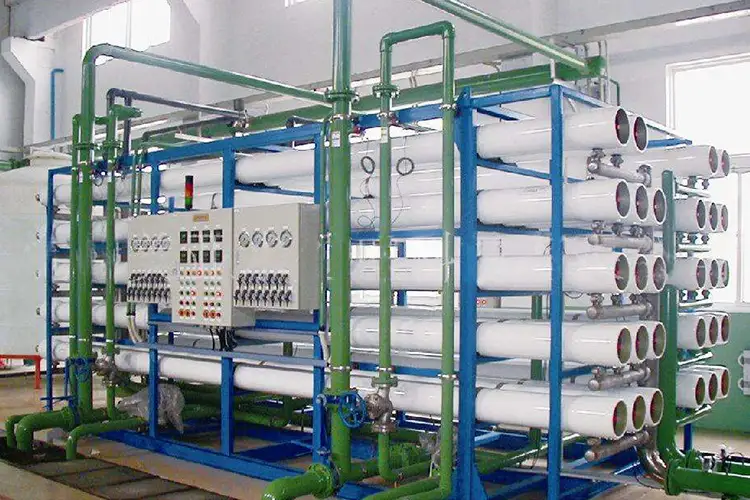
    First we adopt ultrafiltration membrane element to remove particles in water, then activated carbon filter used for removing odor, color and organics. The third step is in order to reach acid-base balance by using basic particles to neutralize acid in water. The last step is to use PP pleated filter cartridge to remove finest particles in water.
    Through this four steps the water is able to meet the standard for which beer brewing require.

  • What Is The Difference Between Surface and Depth Filtration?

    What Is The Difference Between Surface and Depth Filtration?

    Surface filtration mainly adopts screen material and depth-type filtration felt material.

    Their differences are as follows:

    Screen materials, like nylon monofilament, metal monofilament, etc. directly hold impurities back at the surface of filtering media. The advantage is due to its single filament structure, it can be cleaned for times, so its operation cost is low; and its disadvantage is with only one filter media, which is easy to be blocked by particles. This type of filter products is most suitable for coarse filtration with filter rating between 25-1200 microns.
    Felt materials, like needle-punched felt, melt-blown nonwovens, etc. are common three-dimensional depth filtering media. It features loose fiber structure and high porosity, which increases retention rate a lot to impurities. This filtering media belongs to compound retention model material, namely larger particles are captured on the fiber surface and fine particles captured in the depth media, so it has high filtering efficiency, in addition, the high temperature surface treatment, i.e.: instant sintering technique, which can effectively prevent fibers from scattering by high speed liquid in filtration. Felt media belongs to disposable filtering material with its filter rating range form 0.1-200 micron.

    Comparison between surface & depth filtration

    The two ways of filtration depend on filtering material. The way of membrane filtering material, for instance, is surface filtration, which can be cleaned after it being blocked, it is for multi-times usage; fiber materials are piled up by fiber raw material, impurities can accumulate in its inside structure first then on its surface, which is not allowed to use the second time.
    Initial filtering flow rate, which is determined by material aperture, the degree of fiber accumulation can be same, but along with particles accumulation for which it is faster on surface filtration instead of depth-type filtration, so it is faster to block of surface filtration comparing to depth-type one, but for service life, depth-type is much longer than that of surface one.

  • What are the often-changed five-stage home water purifier filters?

    What are the often-changed five-stage home water purifier filters?

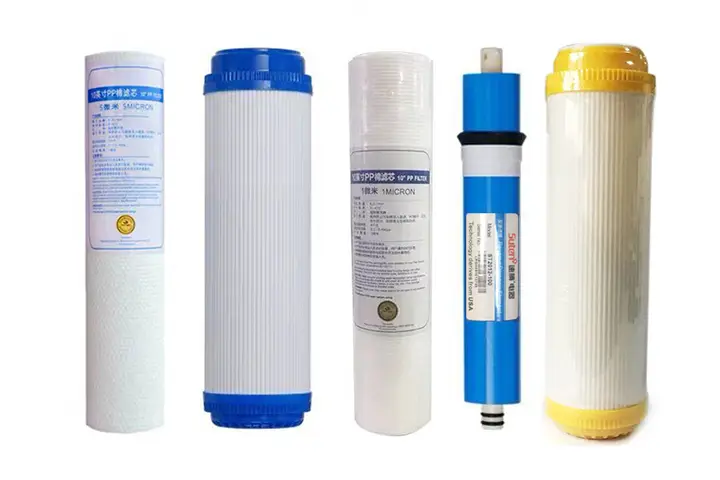
    StagesFunction
    No.1: 5μm PP melt-blown FilterRemove sediment, suspended substances, glue, rust, particles.
    No.2: UDF (Granular Activated Carbon Filter)Remove odor, residual chlorine, chloroform, meanwhile absorb general organics, dibromethane, chlorylene, etc.
    No.3: 1μm PP pleated Filter CartridgeRemove micron particles in water.
    No.4: RO FilterRemove bacteria, virus, heat source, salt and other substances which influence health.
    No.5: CTO (coconut shell activated carbon filter)Deeply absorb odor, make the water much more sweet and delicious.

    Postscript:

    Change-outs about water purifier filter cartridge.

    1. Water yield

    When water yield is small and cannot meet normal requirement. That means filter cartridges inside are blocked, which should be cleaned to regain its normal flow rate, but if it is still small flow rate and water yield after cleanup, it is time to replace a new filter cartridge.

    2. Flavor

    When the water produced by water purifier and taste it like tap-water, that means activated carbon filter is no more able to remove residual chlorine in water, it has absorbed fully, it is time to replace UDF and CTO.

    3. Service Life

    The service life of RO filter normally is 1-2 years, if it exceeds 2 years then it is time to replace a new RO filter. Moreover, if filter cartridges rarely being replaced of the change-outs interval is too long, not only can the filtering effectiveness meet our anticipation but also it is harmful to water purifier operation itself.

    Post Water Purifier Filter

  • What harm will excessive TOC, COD, Chroma, Turbidity bring about?

    What harm will excessive TOC, COD, Chroma, Turbidity bring about?

    After water purifier installed, we normally judge the quality of produced water by using conductivity meter or TDS data, but what need to be reminded is: eligible TDS data does not necessarily mean health water, TDS is not as important as you imagine. So today we are going to talk about TOC, COD among other indexes and what harm would bring about if these indexes exceeds.

    TDS (Total Dissolved Solids)

    TDS indicates how many milligram of dissolved solids are in 1 liter water. These dissolved solids mainly consist of Ca2+, Mg2+, Na+ and K+.

    COD (Chemical Oxygen Demand)

    Wastewater, industrial effluent and humus in water are main reason why COD excesses.
    The Threats to Health:

    • Immunity reduction
    • Impact on fertility
    • Lead to cancer
    • Interfere nervous system

    TOC (Total Organic Carbon)

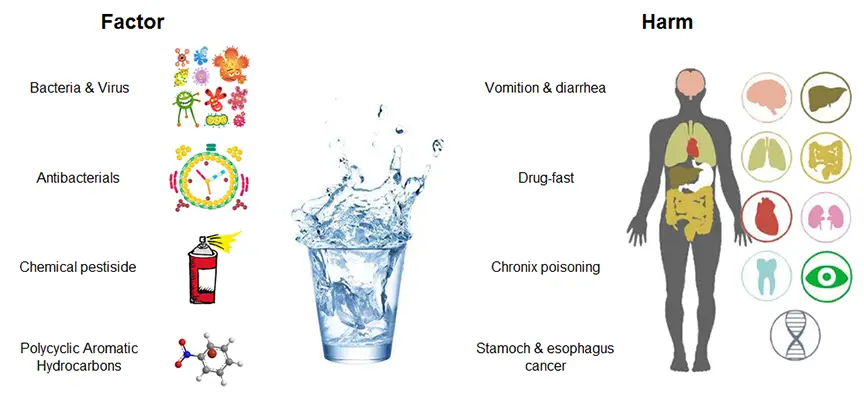
    TOC exceeding the limits indicates that a great deal of bacteria, virus, antibacterial, chemical pesticide and polycyclic aromatic hydrocarbons exist in water.
    The threats to health: vomition, diarrhea, liver and gall damage, nervous and immunity system damage.

    Chroma

    Chroma exceeding its limits is caused by colored matters and suspended particles which mainly comes from soil, rotten plants, metallic elements like iron, manganese and copper, and various industrial effluents.
    Threats to Health: colored matters themselves do not have specific harm to health, but its chlorinated by-products such as haloform that is harmful. The influences to human are different by polluted colored water which cause by various contaminants.

    Turbidity

    Turbidity exceeding its limits indicates large amount of suspended colloidal substance existing in water, e.g.: iron-exceeded underground water would become dark brown meanwhile be smelly when it come above.

    Threats to Heath: Drinking water like this would lead to poor appetite, vomition, fever, sweatiness, ache and lassitude. Over-absorbed iron which deposits in liver, pancreas and lymph gland would cause cirrhosis, diabetes mellitus and cancer.

    Post Water Quality Testing  3

  • Make Clear Of Nylon Micron Membrane Pleated Filter Cartridge Here

    Make Clear Of Nylon Micron Membrane Pleated Filter Cartridge Here

    Nylon membrane has natural hydrophilicity, wide chemical compatibility, without surface active agent. In its production, we have to strictly take control of its environment so as to ensure its quality and cleanity. Sweating soldering is adopted to filter cartridge sealing which as possibly decrease it being oxidized as possible meanwhile extend its service life. Nylon filter cartridge can be cleaned by chemical agent. The pleated cartridges made from Nylon and PP have chemical inertness, no fiber dropping and biological safety. Nylon membrane pleated filter cartridges made by 3F® have characters of large effective filtering area, high flow rate, low resistance, longer service life.

    Products Features

    • It is made from strengthen-mode nylon membrane.
    • Good at acid-and-base resistance.
    • 100% integrity test before leaving factory, meanwhile rinsed by extra-pure water.
    • Well-distributed pores, large flow rate, fine filter rating.
    • Wide chemical compatibility, wide application.
    • Without using any adhesives, without fiber dropping.

    Application

    Food & Beverage Industry: aseptic filtration of pure water, mineral water, fruit juice, beer and other alcohol.
    Pharmacy Industry: Filtration of solvent and soup.
    Electronics Industry: extra-pure water, distilled water final filtration.

    Nylon Pleated Filter Cartridge General TDS

    MaterialFilter MediaNylon membrane
    Support LayerPP
    Inner CorePP
    Out CagePP
    Sealing RingSilicone, EPDM, rubber
    Size10-40inch or MTO
    ConnectionDOE, 222, 215, 226
    Filter Rating0.1-5 μm
    Working Temp.<=80℃
    PH Value4-13
    Forward △P4.2bar@20℃, 1.5bar@80℃
    Reverse △P2.0bar@20℃
    Exchange-outs △P2.4bar@20℃
    Integrity TestBubble Point 20℃
    Pure Water0.22μm>=2.5bar
    Alcohol0.22μm》=0.08bar

  • How to Identify Genuine Coconut Activated Carbon

    How to Identify Genuine Coconut Activated Carbon

    If you’re in the home water treatment game—whether you’re selling filters, designing systems, or just want cleaner water—you’ve likely heard the buzz about coconut activated carbon. This stuff is like the superhero of water purification, tackling everything from chlorine to funky smells. But here’s the problem: not all coconut activated carbon is the real deal. With so many suppliers slapping “premium” labels on their products, how do you know you’re getting the good stuff? Let’s cut through the noise and learn how to spot the genuine article.

    Why Coconut Activated Carbon Rocks

    First off, let’s talk about why coconut activated carbon is a big deal. Made from coconut shells (yes, the same ones that hold coconut water), this material is a powerhouse for filtering water. Unlike coal or wood-based carbon, coconut shells create a super porous structure with tons of nooks and crannies. This means it can trap more contaminants—like chlorine, pesticides, and even heavy metals—while lasting longer in your filters. Plus, it’s eco-friendly and renewable. Win-win!

    But here’s the catch: fake or low-quality versions flood the market. These knockoffs might save a few bucks upfront, but they’ll cost you in performance and customer trust. Let’s break down how to avoid them.

    5 Ways to Spot Authentic Coconut Activated Carbon

    1. Demand Proof of Origin
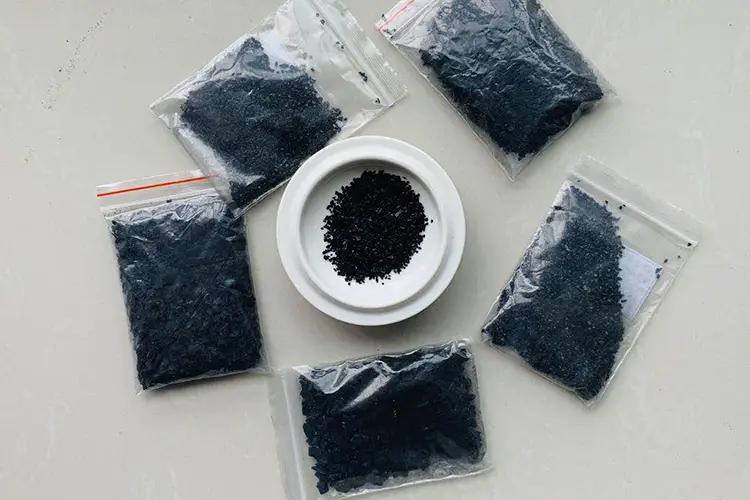
    Genuine coconut activated carbon starts with coconut shells—period. Ask suppliers straight up: “Is this 100% coconut shell, or a blend?” If they mention mixing in coal or wood, walk away. Blended carbons are cheaper but less effective. Real coconut carbon has a deep black color and a slightly shiny texture. If it looks dull or has uneven chunks, it’s probably not pure.

    2. Check for Certifications (No, They’re Not Optional)
    Legit suppliers back their claims with certifications. Look for NSF/ANSI standards (like NSF 42 or 61), which confirm the carbon is safe for drinking water. ISO 9001 is another good sign—it means the manufacturer follows quality management practices. Don’t settle for vague promises. Ask for documentation. If they can’t provide it, that’s a red flag the size of a coconut.

    3. Test the Iodine Value
    This is the MVP of quality checks. Iodine value measures how well the carbon adsorbs impurities. Genuine coconut activated carbon typically scores between 1,000–1,200 mg/g. Coal-based carbon? It’s more like 600–900 mg/g. Ask your supplier for a lab report. If they dodge the question, assume their product is weak sauce.

    4. Do the Sink-or-Swim Test
    Coconut carbon is dense. Drop a handful into water—if it sinks fast, you’re golden. Low-quality carbon (or blends) often floats because it’s less dense. You can also rub granules between your fingers. Pure coconut carbon feels hard and won’t crumble easily. If it turns to dust, it’ll clog filters and disappoint customers.

    5. Ask About Ash Content
    High-quality coconut carbon has low ash content (under 5%). Ash is basically the junk left behind after burning—think minerals or impurities. Too much ash means the carbon isn’t pure, and it might even add nasties to the water. Request a material safety data sheet (MSDS) or ash test results. No info? No deal.

    Where Coconut Activated Carbon Shines in Home Water Systems

    You’ll see this material in a few key places:
    – AC Filters: These are the workhorses for whole-house or under-sink systems. Genuine coconut carbon here means better chemical removal and longer filter life.
    – UDF Filters: These combine UV disinfection with carbon. Using pure coconut carbon ensures the UV light isn’t blocked by impurities.
    – CTO Filters: The go-to for removing chlorine, taste, and odors. High-quality coconut carbon here keeps water tasting crisp for months.

    Why Cheap Carbon Costs You More

    Sure, bargain-bin carbon might save money upfront. But here’s the truth: it clogs faster, works slower, and forces customers to replace filters constantly. Genuine coconut activated carbon lasts longer and performs better, which means happier clients and fewer complaints. For distributors and sales teams, that’s a reputation boost. For consumers, it’s better water and fewer trips to the store.

    The Bottom Line Identifying genuine coconut activated carbon isn’t rocket science—it’s about asking the right questions and trusting data over flashy marketing. Always verify the source, demand certifications, and test the product yourself if possible. Partner with suppliers who are transparent and have a track record in water treatment.

    At the end of the day, using real coconut activated carbon isn’t just a sales pitch. It’s a commitment to quality. Whether you’re installing an AC filter, upgrading a UDF system, or selling CTO cartridges, pure coconut carbon ensures your water treatment solutions actually work. And when customers taste the difference (or don’t taste chlorine at all), they’ll know they’ve got the real deal.

    So next time someone asks, “Why coconut?” you can smile and say, “Because science—and coconuts—don’t lie.”
  • What is the difference Between Pure Water and Ultra-Pure Water?

    What is the difference Between Pure Water and Ultra-Pure Water?

    Pure water, also known as purified water, is a type of colorless transparent drinkable water which sealed up in container meanwhile it does not have any additives. It is made from raw water which accords with drinking water standards by process methods of electro-dialysis, ion exchange, RO, distillation and others.

    Most space water, distilled water in markets belong to pure water. The strong and weak electrolyte in raw water, e.g.: SiO2, CO2, etc. are removed to some extent degree. Its conductivity usually is 1.0-0.1μs/cm, resistivity 1.0-10.0MΩ•cm, saltiness<1mg/L.

    Ultra-pure water is made on the basis of pure water by further removing almost all conducting medium, meanwhile removing non-dissociative colloidal substance, air and organics to lowest extent degree. Resistivity is above 18.0MΩ•cm or close to extreme 18.25MΩ•cm.

    Ultra-pure water is hard to achieve through ordinary process, it can be realized by two or more techniques among micro-filtration, ultra-filtration, RO, EDI and ion-exchange along with rational process designation, equipment selection, to achieve ultra-pure water with resistivity 18.20MΩ•cm odd.

    The difference between pure water and ultra-pure water exists in various aspects, we sum up it as follows:

    1. Conductivity: pure water is normally between 2-10μs/cm, and ultra-pure water 0.056μs/cm.
    2. Production process: the pure water applied in markets normally is made by the way of RO and distillation, but on the basis of pure water, we also need photo-catalytic oxidation, fine treatment, and other series of complicated purifying method to achieve.
    3. Quality standard in heavy metal, virus, particle: pure water is PPM grade and ultra-pure water PPB grade. In short, ultra-pure water almost has no foreign substances and approach to theoretical water.
    4. Different application industries.
    5. The material of transportation pipe: the pipe for transporting ultra-pure water is stricter than that for pure water.

  • why water form water purifier is somewhat ‘sweet’ ?

    why water form water purifier is somewhat ‘sweet’ ?

    Now days many users who just started to use water purifier, particularly RO water purifier, feel produced waters a little bit sweet, and not a few curious guys start to suspect why it has sweet flavor? What is the final truth? And does water purifier really has that magic function?

    More and more families started to use water purifier in recent years, requirement changes markets, a variety of water purifier products appear in its industry, e.g.: water clarifier, water purifier, ultra-filter, direct-drinking fountain, energy water purifier, water-ionizer, water softener, etc. not a few consumers who just started to use water purifiers reflect that the water taste a little bit sweet. Some sellers, factories like to overstate its filtering effectiveness when they do advertisement on which they boast produced water is sweet. Actually these feelings are effected by human’s subjectivity instead of factual basis.

    Actually the water treated by water purifier, built-in RO membrane is impossible to has any flavor, precisely no flavor.

    Not a few consumers feel sweet flavor of produced water, the truth should be too many particles, odors in its former drinking water for a long time, which influence taste buds from rightly judging water flavor. In the case, drinking water suddenly become cleaner much, this great comparison contrast with past which is the primary cause with which you feel water sweet. The reason is simple.

    Some factories hereby conduct propaganda saying the water purifier equipment made from themselves are able to make water sweet, it does not make sense. Principle of operation of overall water purify equipment is physical filtration, water purify equipment itself does not has any technical measures, nor any necessity, to make produced water sweet.

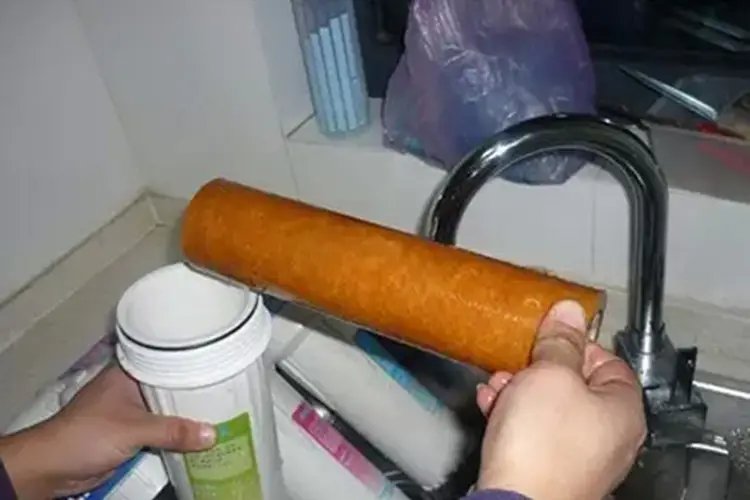
    Please compare the replaced water filter cartridge with a new one then you would see what exact water you drank before. The contamination on the right PP filter cartridge is what you can see by your eyes, but more organics, heavy metal contaminants which influence your taste sense much more but it cannot be seen by eyes. Try to imagine, if various impurities exist in water, how cannot your taste sense be changed?

  • The Physical Property of Ion Exchange Resin in Softening Water Equipment

    The Physical Property of Ion Exchange Resin in Softening Water Equipment

    Particle size and related physical property of ion exchange resin has big influence to its operation and performance in softening water equipment.

    Particle Size

    Normally ion exchange resins are made into beads-like small particles, its size is very important. Smaller particles with its faster reaction speed, but higher resistance to liquid, hence it would need higher working pressure; especially liquid like priming, the influence is obvious. We suggest select proper size of ion exchange resin. With the size of ion exchange resin less than 0.2 mm (approx. 70 mesh), it would apparently increase liquid resistance, decrease flow rate and production capacity.

    Wet screening is often used to measure resin size, screen it after ion exchange resin absorb water and swell, accumulating its retention on screen mesh with 20, 30, 40, 50……mesh, the 90% particles which can pass through respective screen meshes we call it as Effective Particles. The effective particles of most ion exchange resin products are between 0.4-0.6mm.

    Density

    The density of dry ion exchange resin is referred to as true density, the weight of wet resin ÿ single λ volume with its spaces between particles are referred to as apparent density. The density of ion exchange resin has something to do with its degree of crosslinking and exchange group character. Normally, higher crosslinking degree, higher density, the density of strong acid and base resin are higher than weak ones, and macro-porous resin is with low density.
    E.G.:
    The true density of styrene gel strong acid cationic resin is 1.26g/ml, apparent density 0.85g/ml;
    The true density of acrylic gel type weak acid cationic resin is 1.19g/ml, apparent density 0.75g/ml.

    Solubility

    Ion exchange resin should be a substance without solubility. But some polymerization-lowered matters generated in synthetizing process, and some matters generated in resin decomposition, would dissolve out in operation. The resin with low crosslinking degree, and including more active group, is with large dissolution tendency.

    Degree of Swelling

    Ion exchange resin contain lots of hydrophilic group, swelling as touching with water. While ions in resin are exchanging, as cationic ion resin changes from H+ to Na+, negative ion resin change from CI- to OH-, it would swell because its diameter increase. Normally resin with low crosslinking degree is with large swelling degree. Degree of swelling has to be considered to fit volume change in operation when ion exchange equipment is designed.

    Durability

    Resin particles change such as transfer, friction, expansion and contraction during operation, some few wear and tear after long-term use, hence the resin should be with high mechanical strength and abrasive resistance. Normally, the resin with low crosslinking degree is easy to break, but its durability is mainly subject to uniformity coefficient and strength of crosslinking structure. E.g.: macro-porous resin, has higher crosslinking degree, stable structure, and be able to regenerate repeatedly.

  • 5 Main Critical Factors to Surface Water RO System’s Pollution Rate

    5 Main Critical Factors to Surface Water RO System’s Pollution Rate

    Membrane Type (CAM or Polyamide)

    RO membrane found in markets can be classified into two types: CAM (Cellulose Acetate Membrane) and AP (Aromatic Polyamide). Normally we choose CAM to replace AP in treatment of surface water or waste water. The strong points of CAM are: glaze surface, without electric charge, it can low contamination deposit meanwhile microbe is not easy to stick on its surface. That feed-water can contain 0.3-1.0ppm free chlorine in operation is another merit of CAM. Chlorine, as a type of disinfectant, is able to protect CAM from corroding and blocking by microbe and algae. AP itself is chlorine resistance, but it can’t resist its oxidation, so removing chlorine is necessary.

    Flow Rate

    Water production flow rate is water yield through effective membrane unit surface, it is expressed by GFD (Gallon / Square Foot / Day) or LMH (Liter / Square Meter / Hour). Water production flow rate in RO system is positive proportional to contamination speed. Low flow rate, low contamination speed, vice versa. RO element with bigger membrane area could be selected to decrease flow rate.
    If the system need to be cleaned per 3 months or longer period, that means the design of pre-treatment and RO system is reasonable, within 1-3 months, process is necessarily need to be revised or increase equipment.

    Transverse Current Speed

    Transverse is another important factor to influence contaminating speed in RO system. When transverse current speed of surface feed-water and its concentrated water is higher on membrane surface, contaminating speed would be lower. This is because high speed transverse current feed-water would lower deposition and accumulation on membrane surface, meanwhile accelerate diffusion rate of high concentrated salinity to main body solution, lower danger of deposition of indissoluble salinity.

    RO cleanout

    Cleanout and maintenance is an effective way to lower contaminating speed in RO system. Detailed methods include concentrated water recycling, low-pressure rinsing and regular disinfection.
    Concentrated water recycling is able to remove contamination on RO membrane surface. Low-pressure rinsing can flush out contamination and concentrated water from membrane element, prevent microbe from multiplying. Regular disinfection is used to control microbe multiplying between two cleanouts.

    Structure of RO Element

    In the filtration of well water and surface water we mainly select spiral-wound membrane element as RO system parts. In consideration of anti-pollution capacity, installation space requirement, operation cost, etc. Spiral-wound membrane element is better than hollow fiber and frame filter. To design larger membrane area is benefit for lowering flow rate and increase transverse current speed, restraining contaminating speed.

  • What The Most Standard Production Process of Beer

    What The Most Standard Production Process of Beer

    What is Beer Filtration

    Beer filtration is an important production process in beer brewing, it matters most for beer appearance, taste, bio-stability and non-bio-stability. Beer filtration is to keep appearance from changing at least within guarantee period.

    Pasteurized beer after fermentation, a few yeasts and proteins among other coagula suspend in beer, lead it to turbid. So it need to be removed by filtration process.

    Beer filtration is a physical process by using filtering media, separating suspended micro-particles from beer, make it crystal clear.

    Main Factors Affact Beer Filtration

    PolysaccharideAgglomerates formed from polysaccharide
    Quantity and mol.wt of polysaccharide
    Dissolution of malting process
    Material type and gum content
    ProteinDecomposition and cohesion effect of protein
    Quantity and polarity of cold sludge
    Quantity and mol.wt of protein
    Association of hydrophobic proteins
    Yeast & BacteriaCoagulation performance of yeast
    Isophagy & secretion of yeast
    Pollution & secretion of bacteria
    Deposition and separation speed of yeast
    Brewing ProcessFeeding and saccharification temp.
    Period under high temp.
    Various of shearing force in process
    Beer storage temp. and period
    Solid-liquid separation performance of processes

    Filtration Process & Operation

    Post Beer Filtration Process

    filtering types

    • Pulp filter (cotton cake filter)
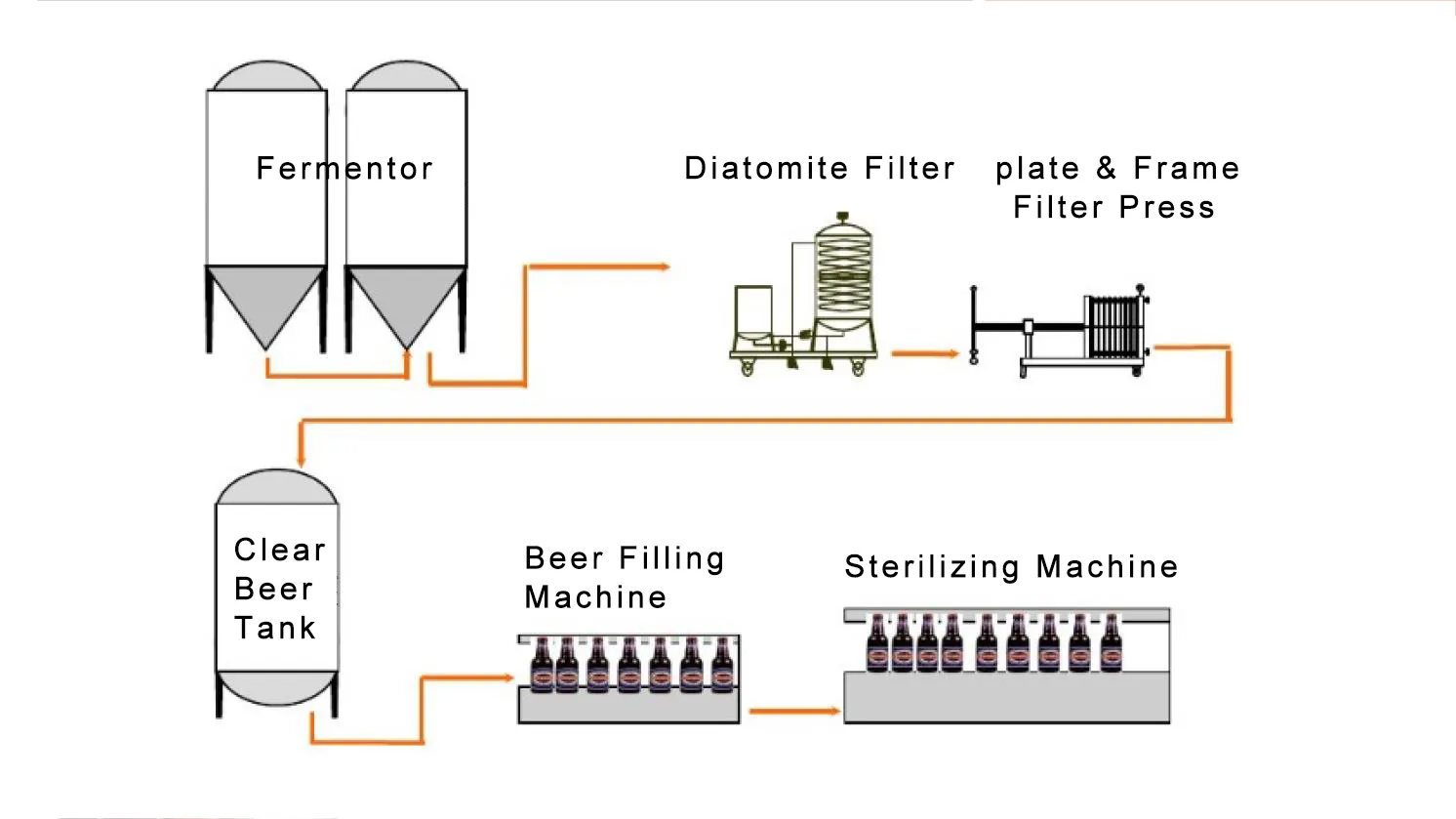
    • Diatomite filter (coarse filter)
    • Paperboard filter (fine filtration)
    • Double flow filter
    • Cross flow filter (it is used to replace diatomite filter)
    • Sterile filter (it is mainly used for the filtration of draught beer)

    The Operation Guide of Plate & Frame Filter Press

    1. Preparation before filtration
    1.1 The influent & effluent face of filtering board should be noted in installation, the coarse one is influent face, and before installation, filtering board have to be fully soaked. New filtering board we suggest do a sterilization, at least 15 minutes’ rinsing on its first use.
    1.2 Check sealing ring, and any misplacement between filtering board before filtration.
    2. Pre-painting & Sec-Painting
    2.1 Pre-painting is to form a basic filtering layer on paper board, which is to prevent blockage in paper board space by yeast and other stickum, meanwhile extend its service life, and it is also better for flushing after filtration.
    2.2 The proportion and quantity of diatomite have to be adjusted and added according to: 1. Performance of diatomite filter press, 2. Diatomite quality, 3. Liquid condition, with reasonable filtering speed to reach beat filtering effectiveness.
    3. After filtration, slow and soft water used to flush yeast, protein and other matters on filtering paper, the water temperature need to heat at 85℃, make any place in diatomite filter keep this temp. at least 30 minutes. Meanwhile observing whether any fibers drop. Each filtering board normally can be used for 15-20 times.

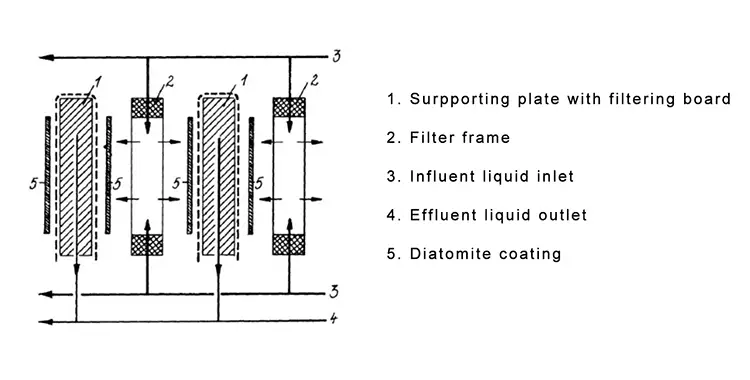
    Operation Mode of Diatomite Filter Press

    Post Operation Mode Of Diatomite Filter Press

    Basic Procedure:
    Pre-coating -> Filtration -> Casting -> Cleaning-> Sterilization
    Remarks:
    1. Why we need to pre-coat? It is to form progressive filtering layer and convenient for diatomite casting after filtration
    2. How do we do pre-coat?
    Pre-coating liquid: tap-water, pure water, etc.
    The first time pre-coating is critical, though this layer is not for filtration, but it functions as support layer. Coarse diatomite used for this layer is about 0.7-0.8kg/sq.m, account for approx. 70% of the whole pre-coating content.
    3. Air-out before pre-coating is premise for good pre-coating.
    4. Quality demand for pre-coating: consistent thickness, well-distributed coarse and fine diatomite, △p=0.2-0.3bar after pre-coating.

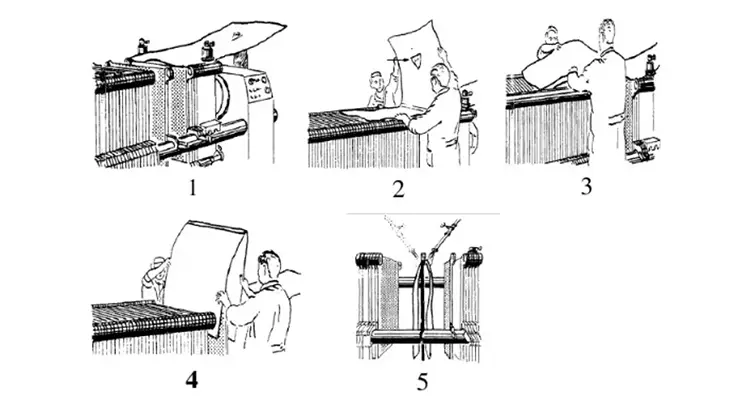
    Installation of filtering board

    Post Installation Of Filtering Board

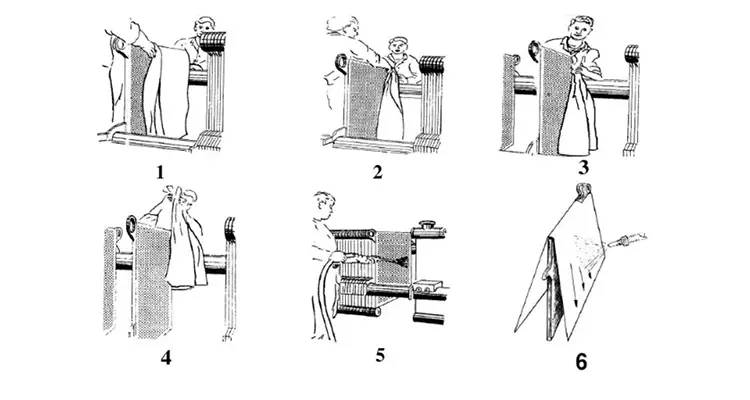
    Cleaning of Filtering Board

    Post Cleaning Of Filtering Board

    Q&A about Suspended Matters

    We often find white flake, filiform or particle substances appearing in beer during its production and storage. Via components analysis these substances mainly are polymer protein, polyphenol, yeast cell and other solid matters which is separated out mainly due to reach a stable new balance after beer colloids broken. Here below we suggest some advice to decrease suspended substances in beer:

    1. Material Requirement: malt protein<11%, well-dissolved. Fresh sugar-excluded rice.
    2. Saccharification: extend protein rest time during saccharification process, adjust production process meanwhile taking account of soar foam performance.
    3. Boiling: forced circulation pump should be stopped in the later stages of wort boiling, prevent protein from being scattered by strong rolling so as to influence later fermentation.
    4. Fermentation: increase fermentation depth, enhance yeast cell to take advantage of protein, sugar, etc.
    5. Culture management: assure bioactivity of yeast cell. The nutrient substance which yeast cell needs should come from wort, it is to adjust wort formation by improving saccharification process and raw material ratio, it is not suitable to use additive so not as lead to performance degradation of yeast.
    6. Clear beer: strength clear beer filtration, remove protein and yeast possibly, the turbidity of clear beer should be kept below 0.35EBC.

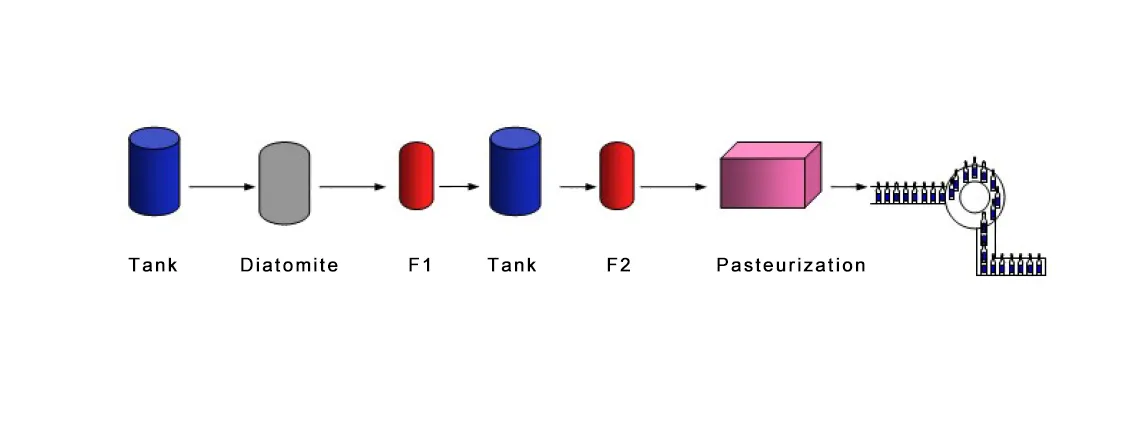
  • UMECO Filter Bags Applied in Beer Filtration

    UMECO Filter Bags Applied in Beer Filtration

    As more and more beers appear in market, understanding brewing technique for various beers can find reliable settings of filtering system. In the aspect of capture filtering with diatomite, filter bags are introduced to replace traditional filter paperboard in the last 10 years, and the filtering cost is only one tenth. High accurate bag filtering system from UMECO, especially APM absolute accuracy filter bag, apparently increase filter bag accuracy, which mainly used in some diatom soil capture filters after diatomite filtering equipment. It has two main functions: first to remove fine particles and yeast, and on the hand, it is to prevent serious quality accident when diatomite filtering equipment is invalid. (e.g.: broken screen mesh, too long time operation, side line leaking, etc.) And on the other side, it would be very difficult to clean if diatomite flow to downstream lines and equipment.

    One of the most important target of enologist is to make crystal clear beers without any turbidity. Floccule and turbidity mean low quality and cheap price products, but sometimes, this simple target is hard to reach, because the factors which influence color and luster are not simple. The problem could be from chill stability, or from residual active yeast, but in many cases, it is caused of compound proteins, tannin and β-grape fungus. Using CPPH 0.5 micron filter bag can effectively remove yeast, meanwhile it is economical. Some enologist also use CPPL 0.45 micron one.

    ApplicationFilterRatingEffectivenessPurpose
    F1Diatomite capturePPSG/PPX1μm>=90%Remove impurity and pre-clarification
    APM>=99%
    F2ClarificationCPPR/CPPX1/0.5μm>=99%Remove visual impurity and keep products bright
    CPPL1/0.45μm>=99%
    Post Beer Filtration  3

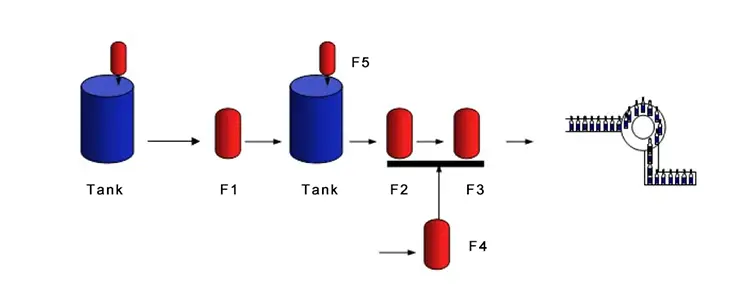
    Filtration of draft beer is a challenging application in filtering products and design of filtering system, it can’t assure safety of production only performance-relied membrane used. It could be guaranteed only with excellent system production, line design and CIP. UMECO has its capacity to make sanitary grade products, provide sterilizing products for customers.

    Deep filtering system CPPR filter bag, as pre-filtration point before CPES membrane filtration, is used for removing yeasts, most pediococcus and lactobacillus, meanwhile it could be able to remove those tannin, protein and staphylococcus which have extra-big effectiveness to membrane filtration block. Without proper pre-filtration, membrane pleated filter cartridge would block for a short time, that would increase cost much.

    Deep filtration combines with micron-membrane filtration is a best way to keep biological stability besides pasteurization.

    And other treatment details are also very critical, e.g.: hot water in CIP system; all liquids must be filtered before entering into system; electric respirators have to be installed on each beer storage tank so as to keep its biological stability.

    ApplicationFilterRatingEffectivenessPurpose
    F1Diatomite capturePPSG/PPX1μm>=90%Remove impurity and pre-clarification
    APM>=99%
    F2Bacterial-Decreased FiltrationCPPR/CPPX1/0.5μm>=99%Remove visual impurity and keep products bright
    CPPL1/0.45μm>=99%
    F3Sterilizing FiltrationCPES0.45μm>=99.99%Remove bacterial
    F4Sterilizing Filtration for WaterCPES0.45μm>=99.99%Remove bacterial in water
    F5Sterilizing Filtration for AirCPTE0.01μm>=99.99%Remove bacterial in air
    Post Beer Filtration  4

  • Why Do We Need to Add Scale inhibitor in RO System?

    Why Do We Need to Add Scale inhibitor in RO System?

    RO system is to make extra pure water by 1. Filtering raw water via fine filter, UDF, CTO filters; 2. Pressurizing and let it flow through 1/10000μm RO membrane, make high concentrated water into low one; 3. Meanwhile removing all foreign matters such as heavy metal, germs, virus and etc. so it can reach physical-chemical index and hygienic standard.

    RO membrane is a critical parts in RO system, in its long run, calcium and magnesium ions in water would separate out and adhere to the surface of RO membrane, scale formatting then lowering water production efficiency of RO system, damaging RO membrane. Since RO membrane is expensive, that is the reason why we have to add scale inhibitor in water to delay calcium and magnesium separation and forming water scale.

    Scale inhibitor is used to realize solubilization, the agent would ionize when put it into water and generate negative charge molecular chain, combining with Ca2+ it is able to generate water soluble clathrate and chelate, increasing the difficulty for inorganic salt to dissolve, so functioning as scale inhibiting.

    Scale inhibitor can effectively prevent foreign matters from subsiding and scale forming, largely improve RO system operation, increase water production quality.

  • Why Water Yield From Purified Water Equipment Suddenly Decline?

    Why Water Yield From Purified Water Equipment Suddenly Decline?

    Purified water equipment widely applied in pharmaceutical, medial industries, sterile ultrapure water has to be used in medicament configuration, cleanout of medical apparatus & instruments. In its operation, once it is found that water yield decline suddenly, it would cause somewhat trouble to users, therefore, making clear of the reason why water yield decline is important for end-users:

    1. The reduction of membrane module, conducting it according to designed quantity of membrane module.
    2. It would appear water yield reduction and rise of desalinization ratio after membrane compactification. Under conditions below it is easy to cause membrane compactification: high feed water pressure, high feed water temperature and water hammer effect.
    3. Low pressure operation, shakedown test as designed reference pressure.
    4. When working pressure is much larger than reference pressure, it would lead to membrane module compactification.
    5. Low working temperature, refer to designed working temperature, it need to start as the temperature at least reaches to 25℃.
    6. Oil blended into, please note that oil substance is absolutely not allowed to be blended into water membrane module.
    7. The operation under high reclaim rate, concentrated water yield would increase as it is operated with above 75% reclaim rate. Therefore this would lead to reduction of pure water yield.
    8. Metallic oxide and contaminates adhere to the surface of membrane, so it is need to be flushed everyday with low pressure water.
    9. Strength management to purified water equipment, insist on cleanout everyday by relevant cleaning drugs.

  • Three Tips for Selecting Whole House-Integrated Water Purifier

    Three Tips for Selecting Whole House-Integrated Water Purifier

    Give up the idea of drinking unpurified water, that would make you get any sicknesses you could imagine, and it is also very disgusting. So none can refuse the truth that everyone should have to drink clean and tasteful water. Drinkable water have to be purified, hence apparently water purifier is essential for your house.

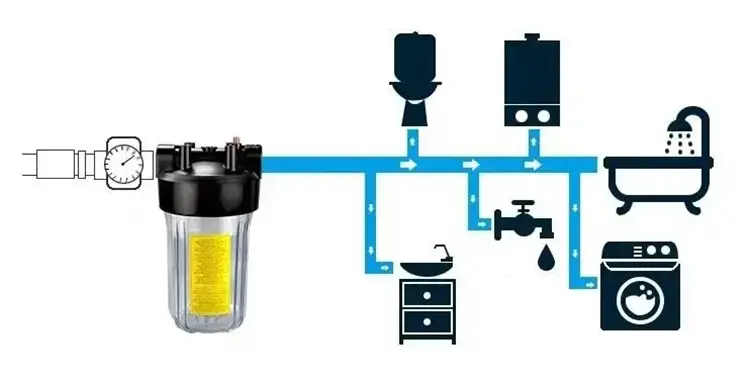
    Here we have two types of water purifiers for your selection, the first one is to connect different water resources, like kitchen water tap, bathroom faucet, etc. and the second one is whole house-integrated water purifier which purify and clean water supply system for whole house. For family’s health in water aspect, every water points in house are needed to be purified instead of a single certain tap.

    Today we are talking about whole house-integrated water purifier, comparing with single water filters for faucets, whole house-integrated water purifier is a better choice for us. But very obviously you should choose one which can purify all waters in your house meanwhile with easy operation.

    Here we would give you 3 tips for selecting whole house-integrated purifier:

    Purifier Type

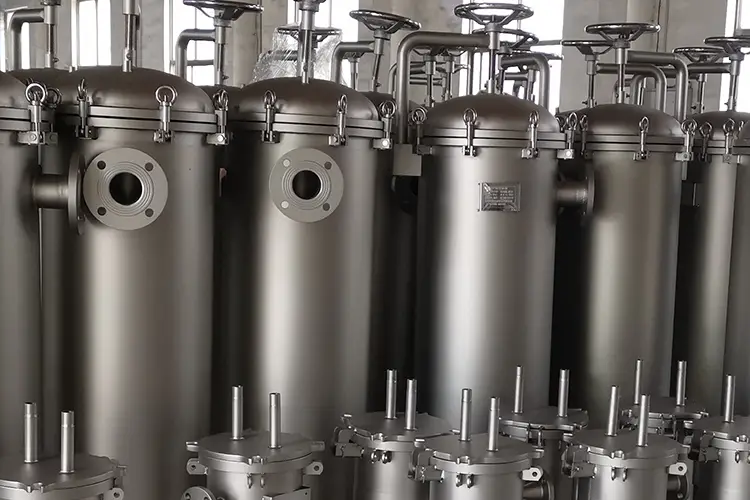
    There are various and different contaminants in every house, you are suggested make it clear of these contaminants first and then select purifier. For that you need to consult with professional guys, like some staff in municipal service. Normally you need a filter housing to remove chlorine, iron and sediments first.

    Size of Purifier

    If your house is large, you need to select bigger whole house-integrated water purifier to increase water supply, but first of all, you need to calculate how big the filter housing you need. Normally we calculate these data according to the inlet and outlet of filter housing, flow rate of filter cartridges.

    Service Life

    It depends on what type of water purifier you select, but you are suggested to talk with professional guys or consult with sellers about its service life, how long you should exchange filter cartridges, etc. As time goes on, you need to inspect the water working pressure, if it decreases, you should know it is time to exchange a new one.

    This three main tips is helpful for selecting whole house-integrated purifier, and on the other hand, you are encouraged to spread healthy water-used idea among your friends and family, since today many people becomes the victims of chronic water-borne diseases, if you really want your family to be longer life, healthier, then suggest them use whole house-integrated water purifier.

    Water Purifier